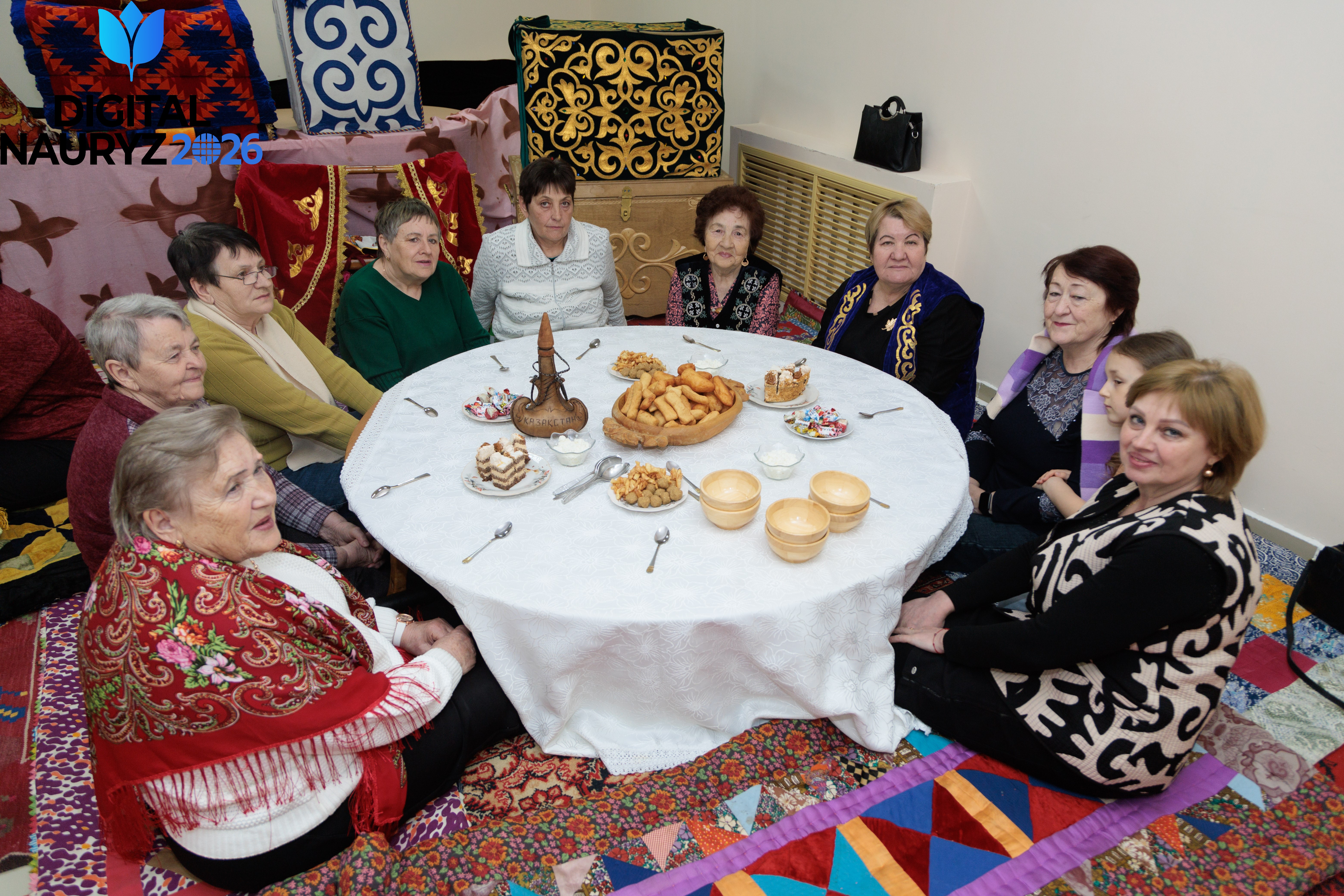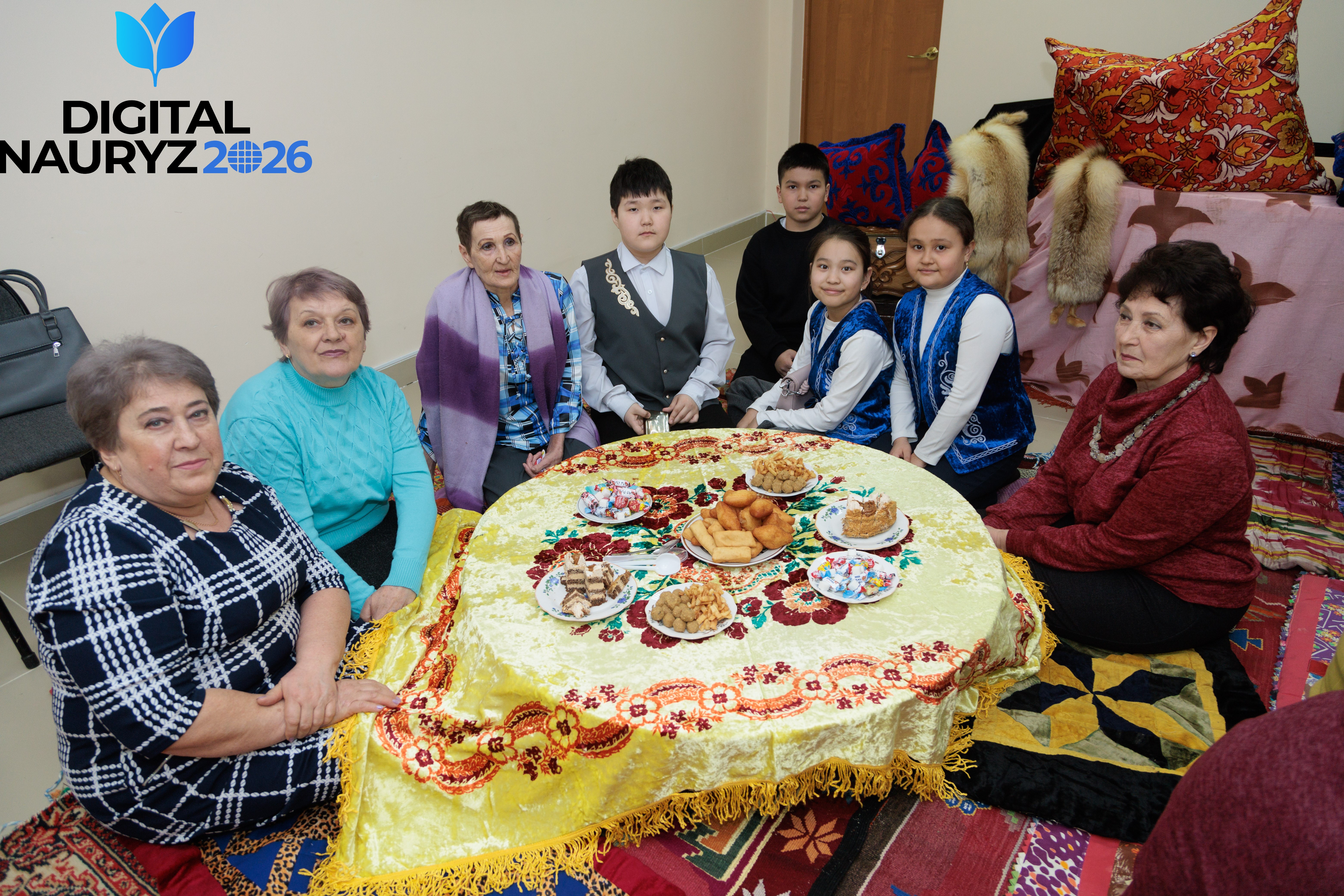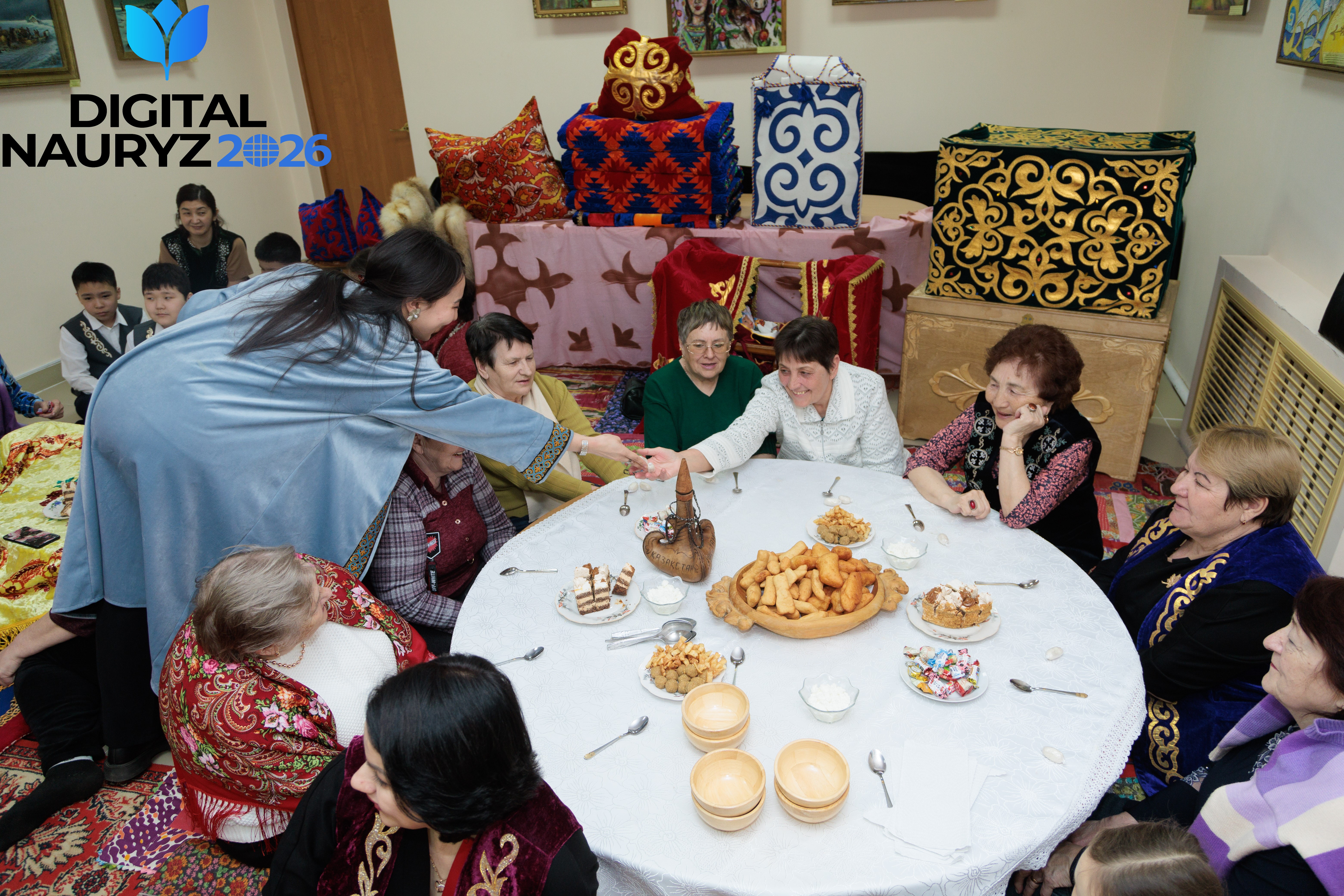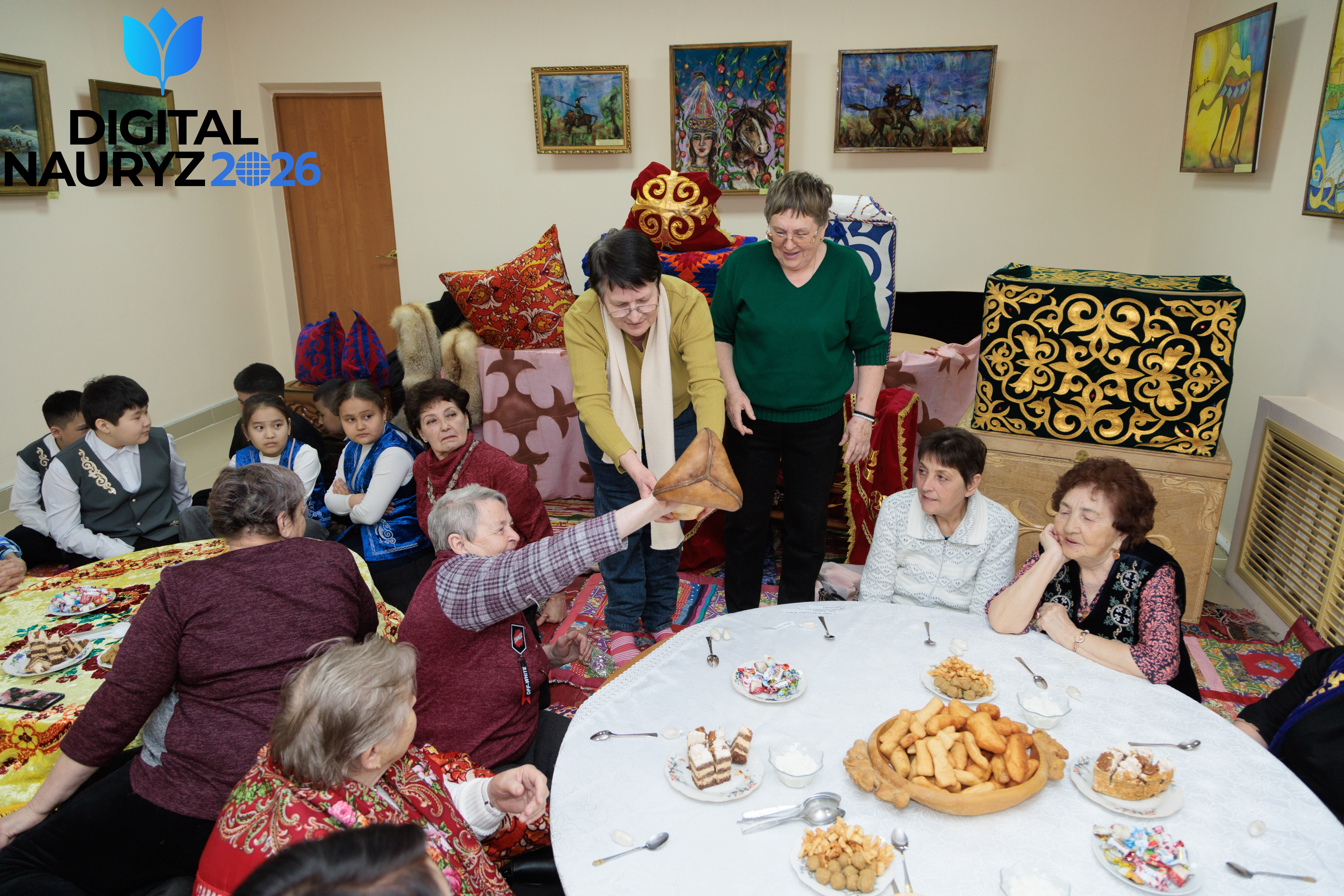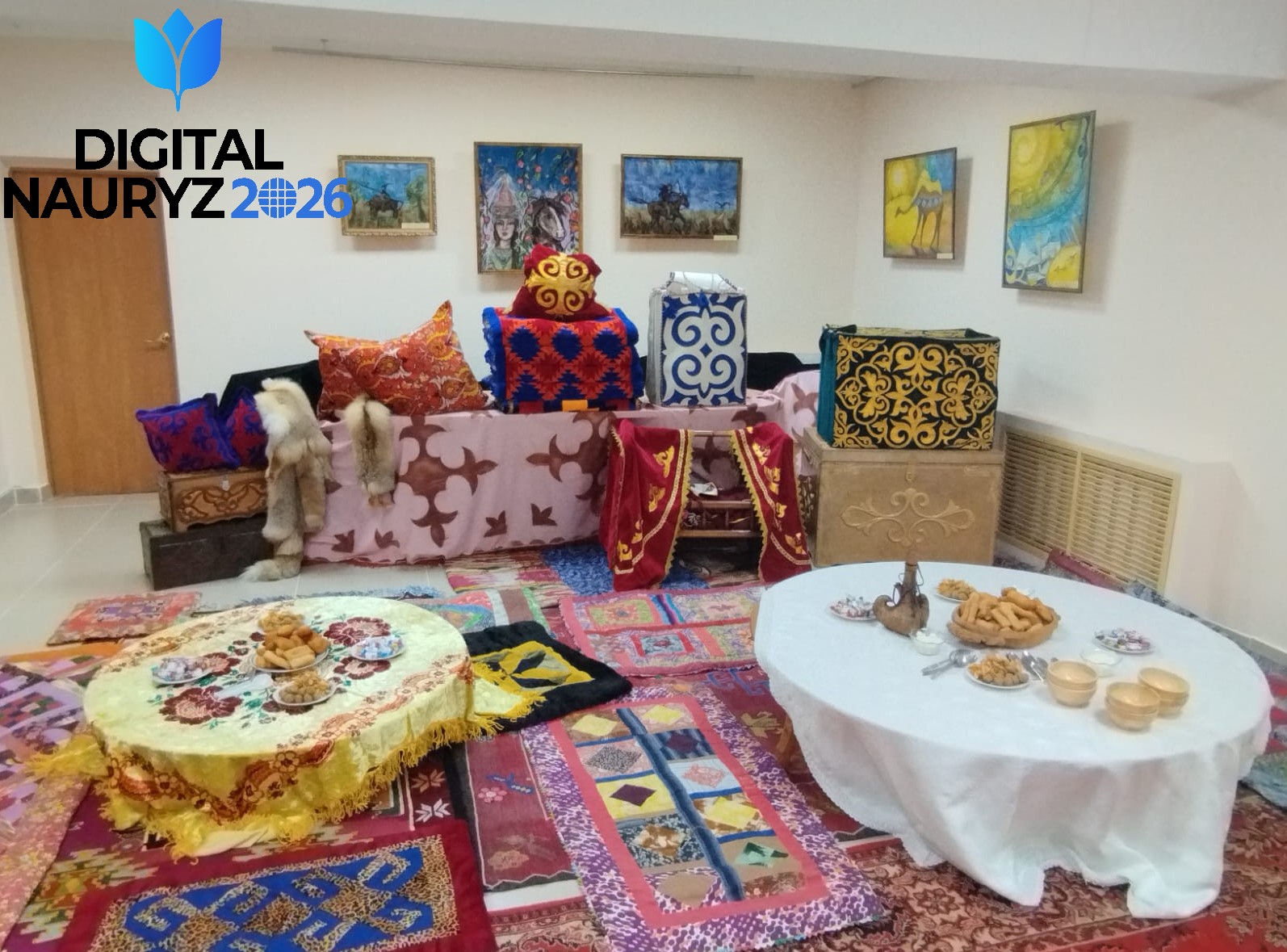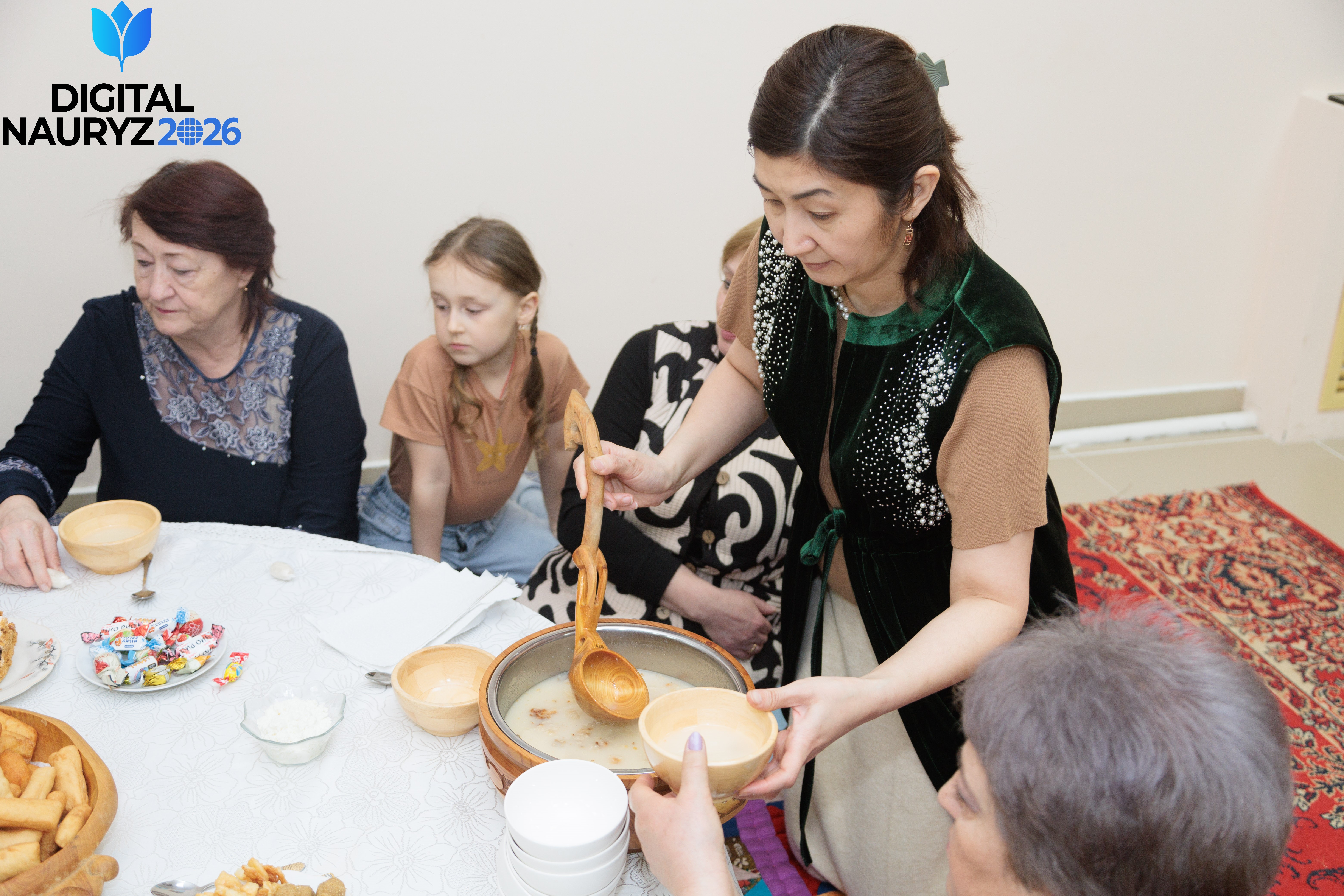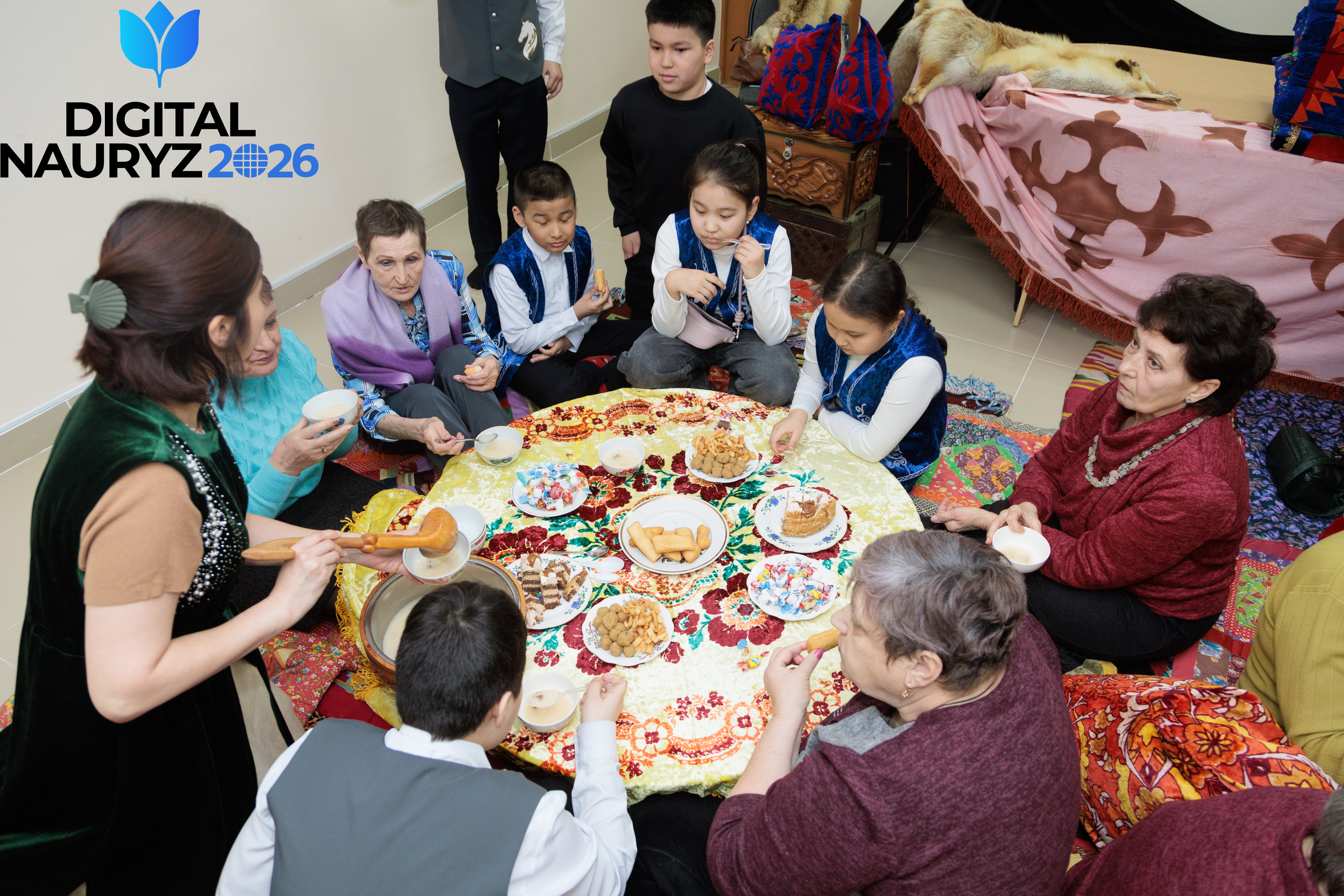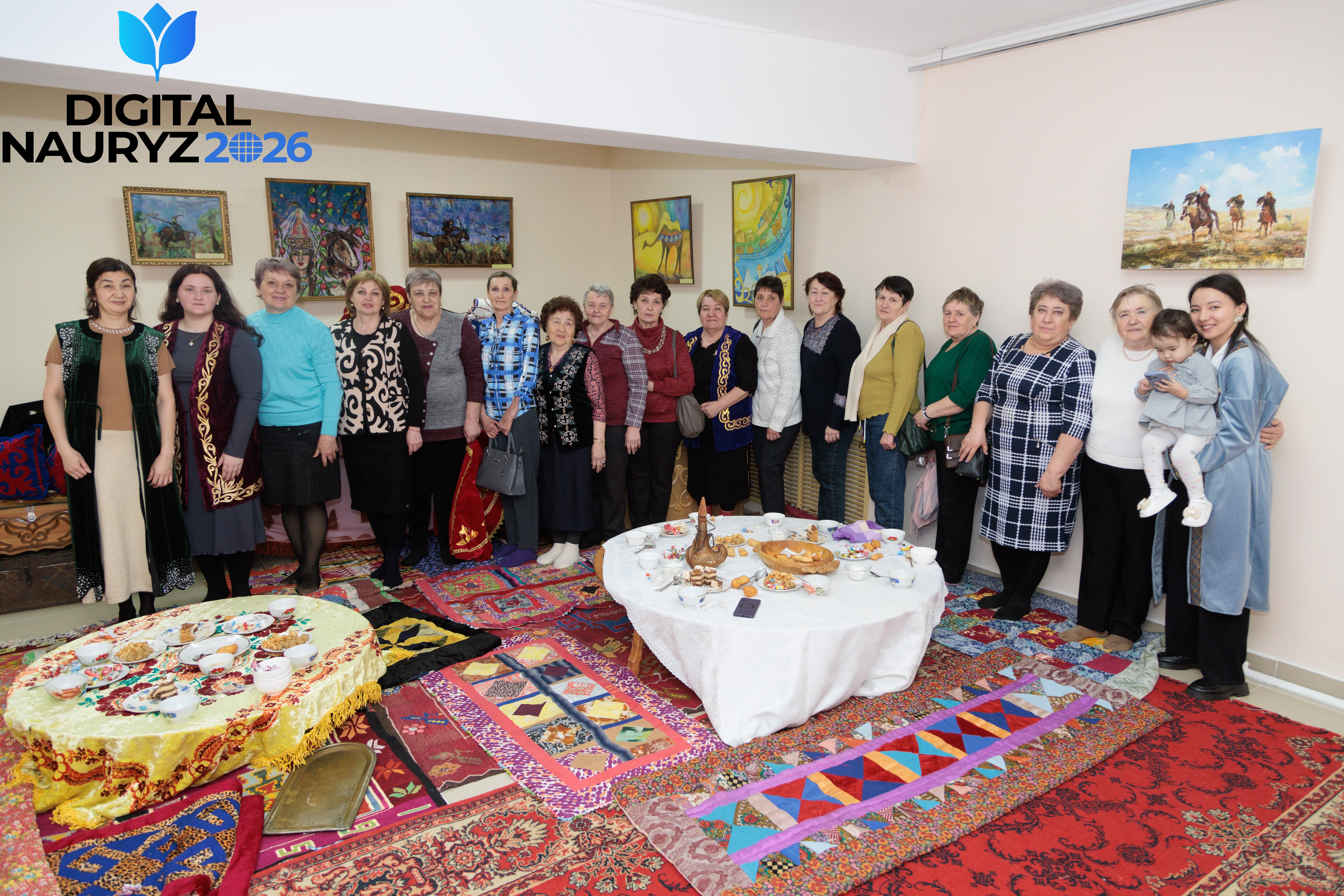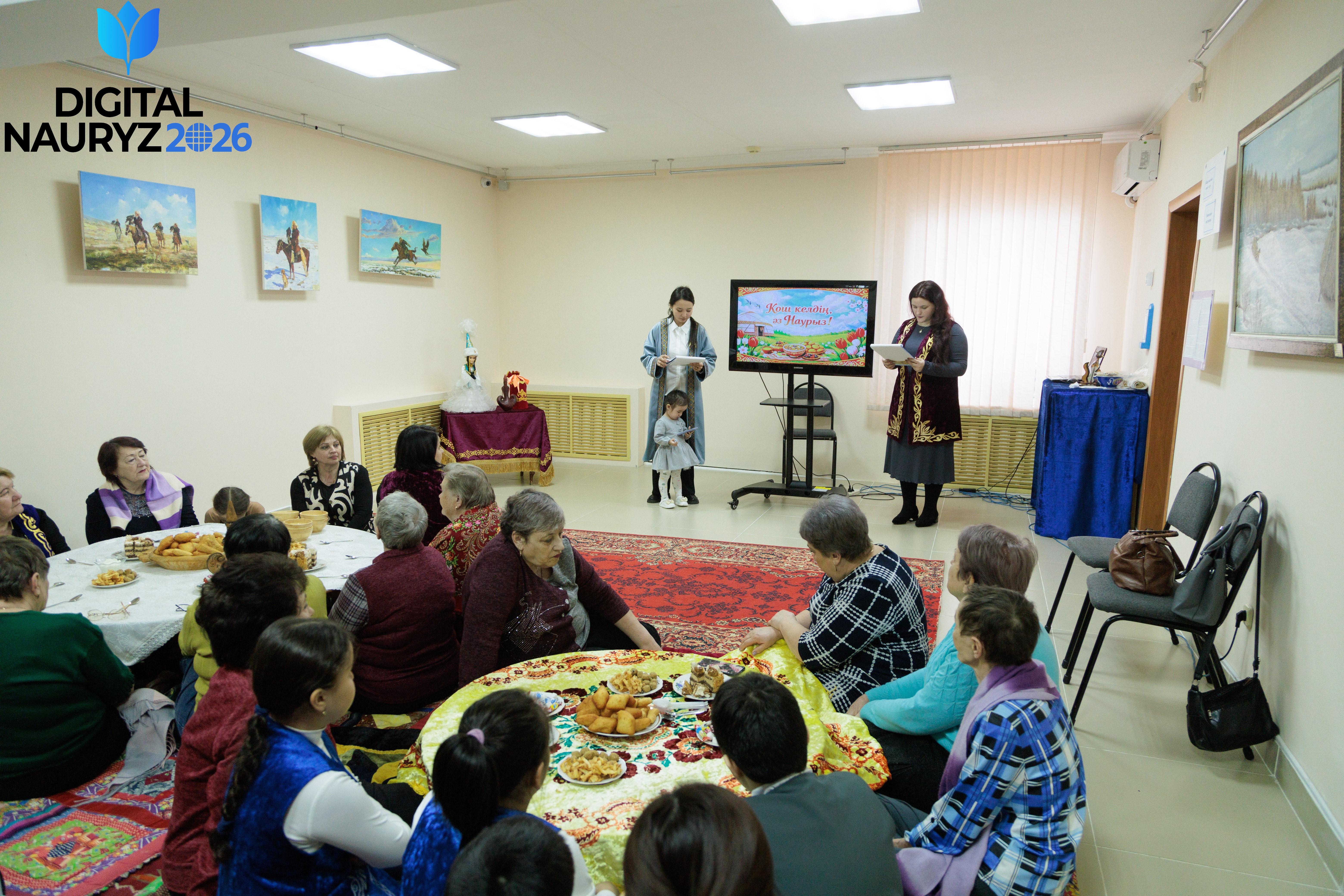
On the eve of the celebration of Nauryz Meiram, an ethnographic museum festival called “Kosh keldin, Az Nauryz!” was held in the walls of the B. Mailin Museum of Local Lore. Students of the Sapar Ergaliev secondary School and the elderly of the village of Ayet were invited to the event. The guests were treated to traditional dishes – Nauryz kozhe and baursaks, told about the history and significance of the holiday, and recalled the customs of the Kazakh people. One of the highlights of the event was the demonstration of the “Tusau Keser” ceremony. “Tusau keser” is an important Kazakh rite associated with the first steps of a child. It is held when the baby starts walking, and symbolizes the wish for an easy and happy life path. During the ceremony, the child’s feet are tied with a special rope — tusau, most often made of black and white threads or mottled wool. Then a respected and successful person (relative or guest), to whom parents entrust this honorable role, cuts this rope with a knife or scissors. It is believed that the child will inherit the best qualities of this person — his luck, hard work and vitality. After cutting the tusau, the child is usually allowed to walk a few steps along a special path. Often, various objects are laid out on the way to see what the child will reach for — this symbolically shows his future interests. The ceremony is accompanied by cheerful wishes, songs, and treats for guests and is considered one of the warmest and most joyful family holidays in Kazakh culture. The holiday ended with fun games, songs, dances and the main dish of the day – Nauryz-kozhe.