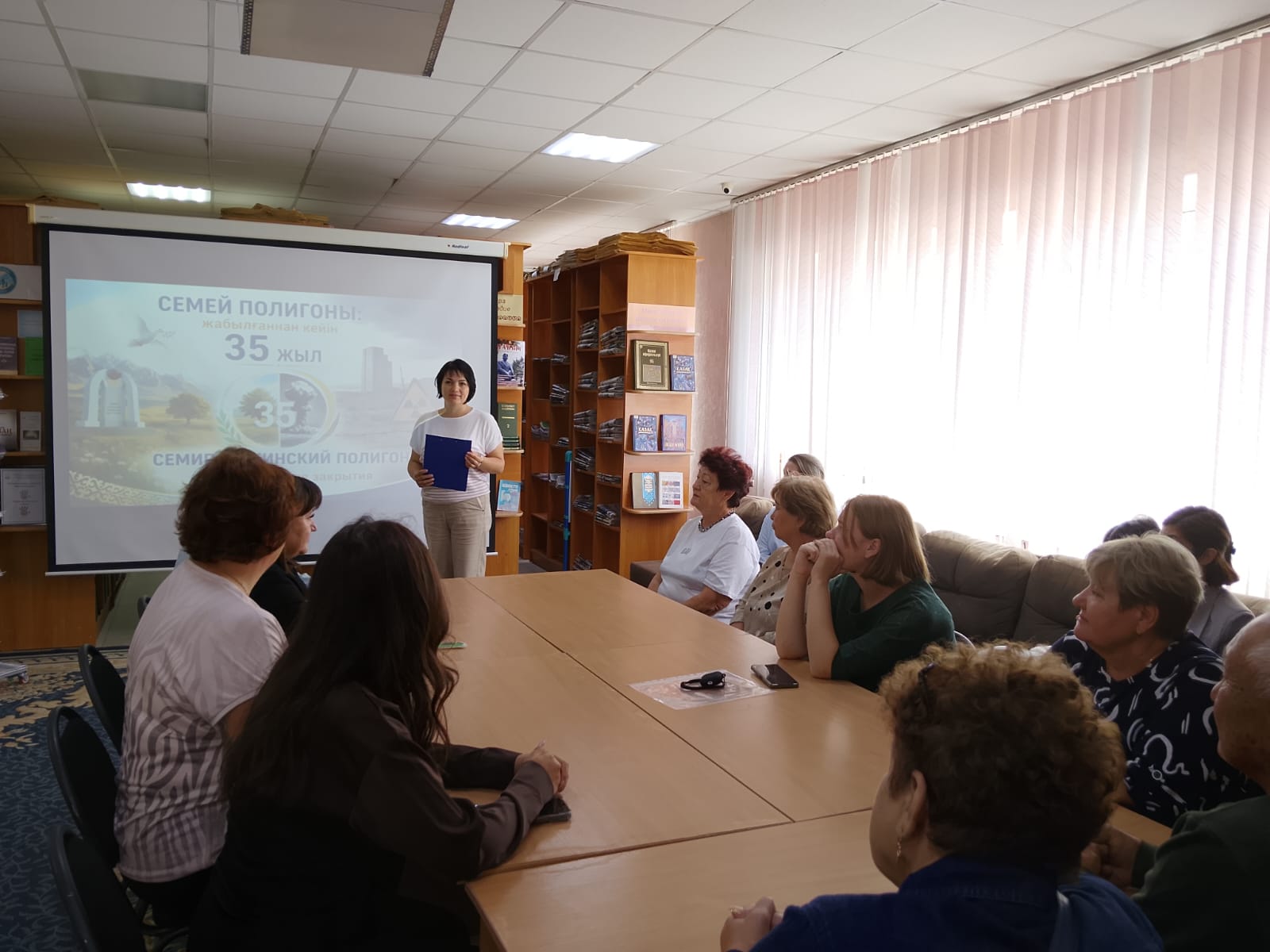
On June 24 of this year, the B. Mailin Museum of History and Local Lore hosted a briefing for the institution’s employees on the topic: “Prevention of Anti-Corruption Offenses in the Field of Culture.” The event was attended by the Head of the Museum, S.A. Rudik.
The purpose of the event was to increase the level of legal literacy among employees, foster an anti-corruption culture, prevent offenses, ensure compliance with ethical standards, and avert conflicts of interest in professional activities.
During the event, the basic concepts of corruption, its forms, and root causes were reviewed, alongside the regulatory and legal frameworks for combating corruption. Special attention was paid to the specifics of museum operations, including interactions with visitors, partners, and suppliers.
Employees were presented with typical scenarios where corruption risks might arise, such as: receiving or offering unlawful rewards; conflicts of interest during the organization of exhibitions, public procurement processes, or the provision of services.
During the discussion, the staff highlighted the vital importance of maintaining the principles of transparency, legality, and professional ethics in their daily routines.
At the conclusion of the briefing, it was determined that effective corruption prevention in the museum sector directly depends on the personal responsibility of each employee, adherence to internal regulations, and the cultivation of a zero-tolerance attitude towards any manifestations of corruption.